Permanent Makeup Healing: Aftercare for Eyebrows, Lips and Eyeliner
SEO Title: Permanent Makeup Healing & Aftercare | Budapest
Meta Description: Learn how permanent makeup heals, how to care for your eyebrows, lips or eyeliner after PMU, why pigment colour changes and when to seek professional advice in Budapest.
URL: /en/blog/permanent-makeup-healing-aftercare/
Last updated: October 26, 2026
How Does Permanent Makeup Heal?
Permanent makeup introduces pigment into the skin to enhance the appearance of eyebrows, lips or the lash line. After the procedure, the skin needs time to recover, and the colour may look different as healing progresses.
Immediately after treatment, the pigment can appear darker or more intense than expected. As the skin heals, the colour may soften, and temporary unevenness can occur.
The healing process varies from person to person. The treatment area, technique, skin characteristics and aftercare can all influence the final appearance.
If you have had permanent makeup in Budapest, following your specialist’s aftercare instructions is an important part of achieving the best possible result.
The Main Stages of Permanent Makeup Healing
First 24–48 Hours
The treated area may feel sensitive, and mild redness or swelling can occur. The intensity and duration of these effects vary depending on the treatment and individual response.
Keep the area clean according to your specialist’s instructions. Avoid touching it with unwashed hands, rubbing the skin or applying unapproved products.
The First Several Days
The colour may look particularly intense. The skin may also feel dry or begin to flake as it recovers.
Do not scratch the area or remove any scabs or flakes. Picking at healing skin can cause irritation, increase the risk of infection and affect the final cosmetic result.
Follow the specific cleaning and aftercare routine provided for your treatment.
The Peeling and Recovery Stage
Small flakes or scabs may appear during healing. This is not a reason to remove them manually.
The visible colour may temporarily appear lighter or less even as the surface skin recovers. Avoid judging the final result too early.
If you are concerned about the appearance or symptoms, contact your specialist rather than attempting to correct the area yourself.
The Following Weeks
The skin continues to recover, and the appearance of the pigment gradually stabilises. The exact timeline depends on the treatment area, individual healing and the technique used.
A follow-up appointment or touch-up may be considered once the skin has healed sufficiently. Your specialist should advise you on the appropriate timing.
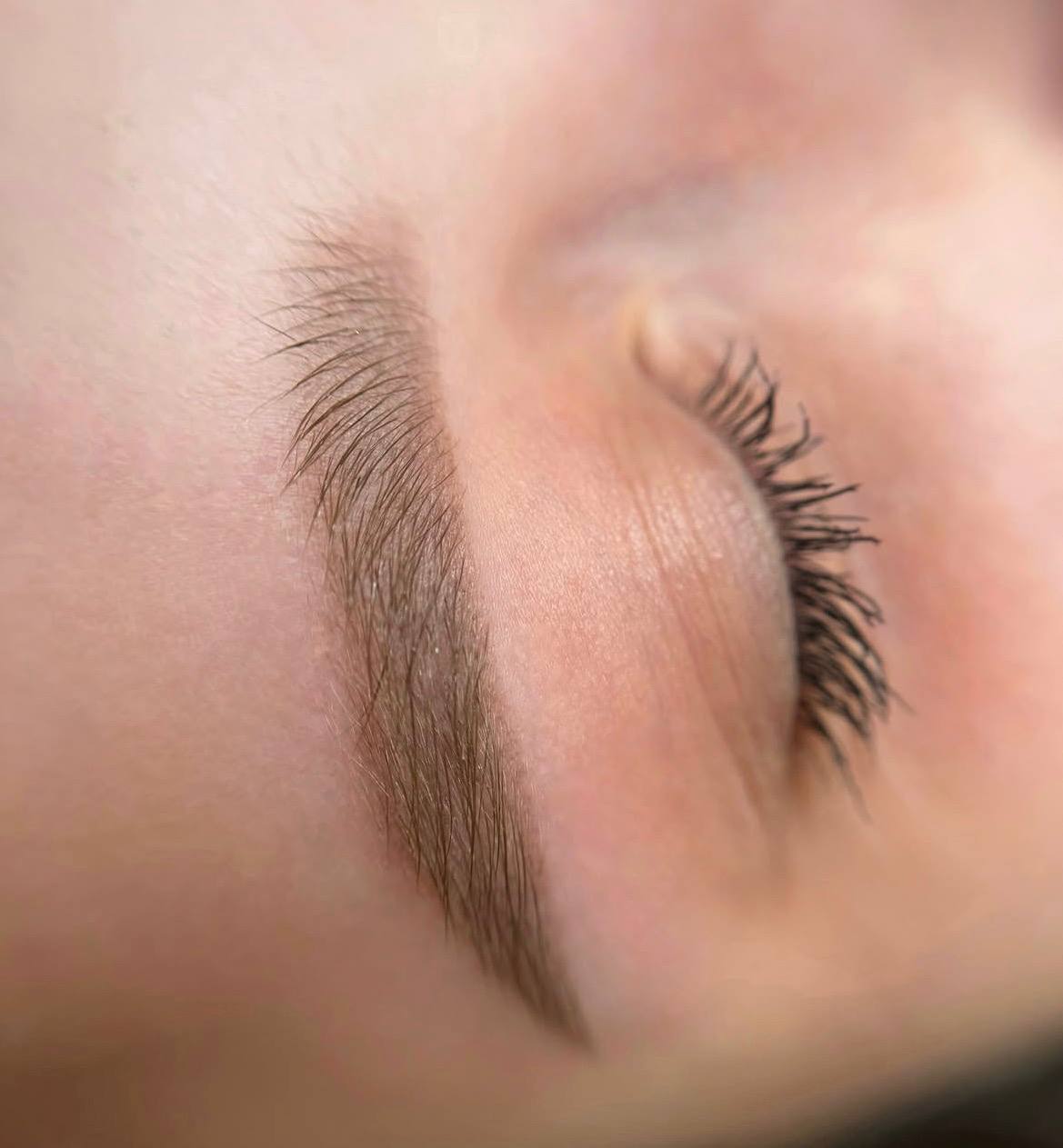
How to Care for Permanent Eyebrow Makeup
After eyebrow PMU:
- Wash your hands before touching the treated area.
- Follow the recommended cleaning routine.
- Avoid picking, scratching or rubbing the eyebrows.
- Do not apply makeup or unapproved skincare products to healing skin.
- Avoid direct sun exposure and follow your specialist’s advice about exercise, swimming and sauna use during recovery.
Do not apply thick layers of creams or ointments unless they have been recommended for your specific procedure.
Lip Blush Healing: What Should You Expect?
Lip blush and other permanent lip makeup techniques may cause temporary swelling, tenderness and dryness.
The colour can look more intense immediately after treatment and soften as the lips heal. The lips may also feel dry or develop small flakes.
Follow your specialist’s instructions for keeping the area clean and managing dryness. Avoid picking at peeling skin, and do not share lip products during the healing period.
If you develop unusual or worsening pain, blistering, spreading redness or other concerning symptoms, seek medical advice. People with a history of cold sores should discuss this with their healthcare professional before lip procedures, as the treatment can trigger an outbreak.
Permanent Eyeliner Healing and Aftercare
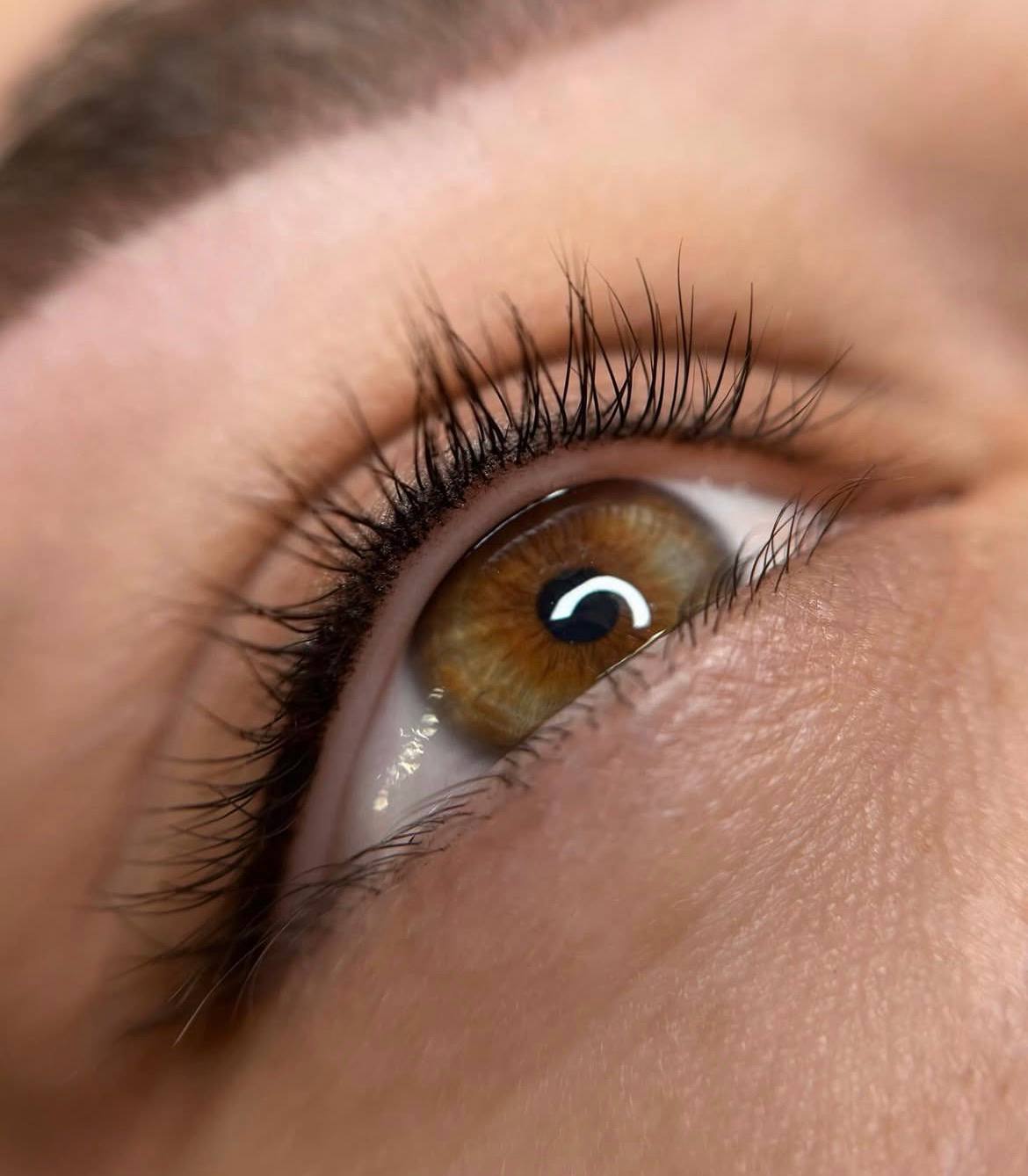
Permanent eyeliner involves a sensitive area around the eyes. Temporary swelling, tenderness and irritation may occur.
Follow the specialist’s instructions carefully, and avoid rubbing the eyes or applying eye makeup until it is appropriate to do so.
If you experience eye pain, changes in vision, significant swelling or symptoms that are getting worse, seek prompt medical attention.
What Should You Avoid During Healing?
Depending on the treatment, your specialist may advise temporarily avoiding:
- Swimming pools, saunas and activities that expose the area to excessive moisture.
- Direct sun exposure and tanning.
- Heavy sweating or strenuous exercise during the initial recovery period.
- Exfoliating acids, retinoids and irritating skincare products on the treated area.
- Scratching, peeling or manually removing scabs.
Specific restrictions and their duration vary by treatment and individual circumstances. Follow the instructions given for your procedure rather than applying a generic schedule to every type of permanent makeup.
When Should You Contact a Doctor?
Mild sensitivity can occur after permanent makeup, but worsening symptoms should not be ignored.
Seek medical advice if you develop increasing pain, spreading redness, significant swelling, pus or fever. If you experience difficulty breathing or rapidly progressing facial swelling, seek emergency medical care.
Do not attempt to treat a suspected infection with unprescribed medication or home remedies.
When Can You Assess the Final Result?
The result should be assessed after the skin has had sufficient time to heal. The appropriate timeline depends on the area treated and your individual recovery.
A touch-up may be recommended in some cases, but it should not be scheduled before the skin is ready. Your specialist can advise whether additional work is necessary.
Permanent Makeup